In this story
A travel morning rarely has one temperature. There is the walk from home, a bright terminal, a seat beside an air vent, and the first stretch outside at your destination. An airport outfit needs to accommodate those transitions without becoming a pile of unrelated clothes. Start with what feels comfortable when you sit, then make the layers serve that foundation. Looking considered is easier when every piece has a clear job.
Start with the seated outfit
Try your trousers and base layer together on a chair before you pack. A waistband that feels fine in a fitting room can become distracting after a long seated period. Check whether pockets press into your hips, whether a shirt pulls across the back, and whether you can bend to lift your bag. These are personal fit questions, so a stretch label or relaxed silhouette should never replace a proper try-on. Keep tags attached while you assess a new purchase at home.
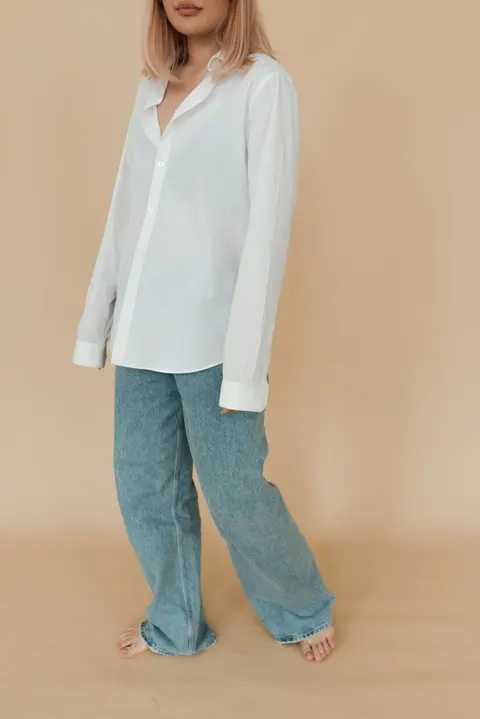
A straight trouser, familiar jeans or a soft knit bottom can all work. Choose according to the rest of the day: jeans may suit an immediate city lunch, while soft trousers may be preferable if the journey is the entire plan. Avoid buying a special airport set unless you would wear both pieces separately afterward. A coordinated color palette provides the same visual calm with clothes already in your wardrobe.
Give each layer one responsibility
Use a breathable base you would be happy to wear alone, a removable middle layer for sitting still, and outerwear that matches conditions on arrival. A button-front cardigan is convenient when you want to change warmth without disturbing your hair or glasses. A light overshirt offers structure and can become a daytime layer later. Neither needs to be oversized enough to swallow the rest of the outfit.
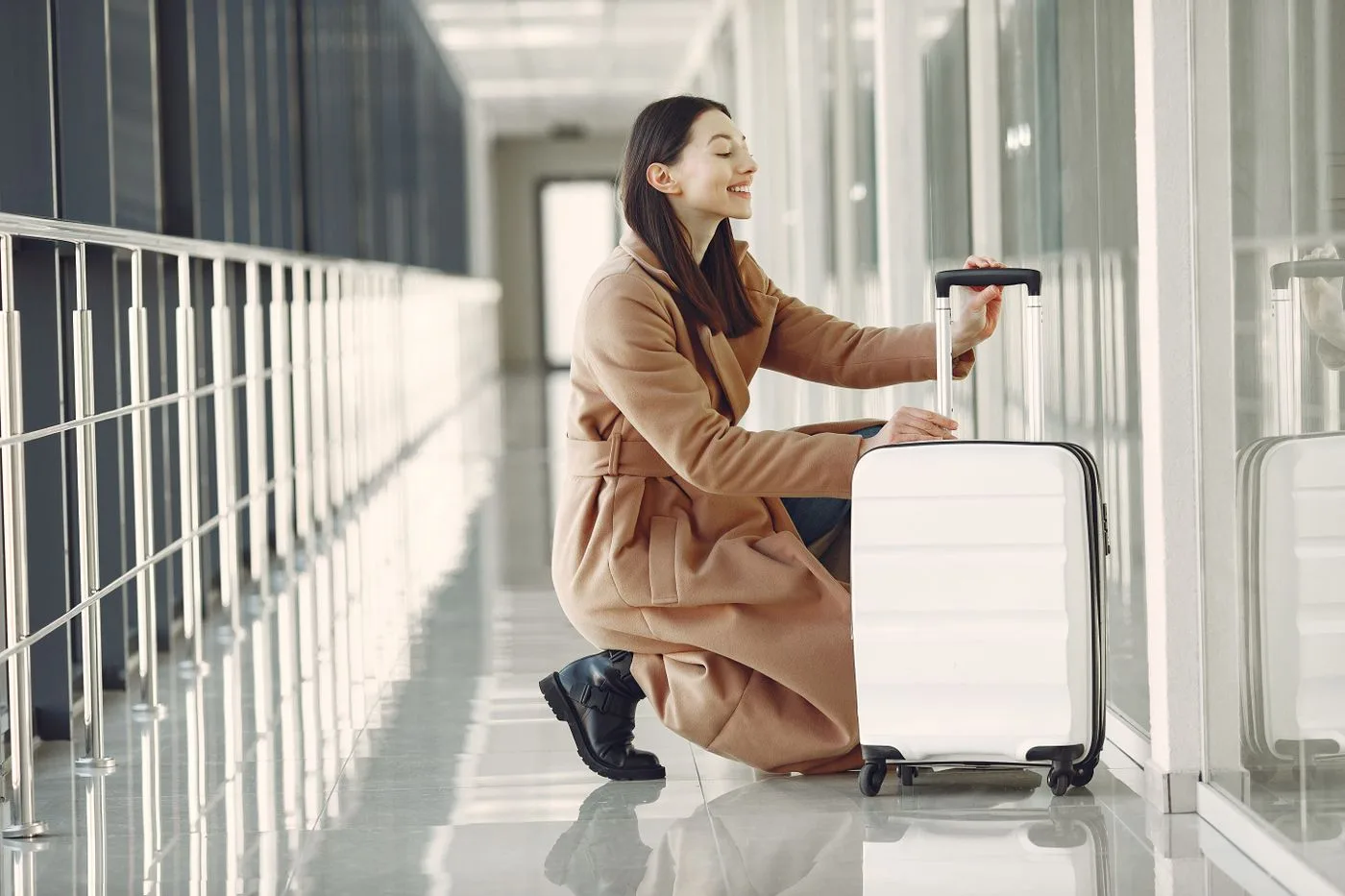
Before adding a third layer, decide where it will go when removed. Can the cardigan fit in your personal item without crushing your lunch? Will the coat slip securely over your arm while you manage luggage? A bulky piece that only works while worn may be a poor choice for a warm arrival. See our personal-item packing plan for keeping the essentials within reach.
Buy for the transitions
If a genuine gap remains, look for smooth inner seams, easy closures and a middle layer that fits beneath your existing coat. Test the sleeve combination; a thick cuff can bunch unpleasantly under a narrow jacket. Pockets should hold what you need without distorting the garment. A beautiful coat with decorative pockets may still be right for you, but it should not be purchased as a substitute for a small accessible bag.
Travel marketing often makes one garment sound like the answer to every situation. Resist paying extra for features you cannot explain in terms of your own journey. If you already have a favorite cardigan and an appropriate coat, spend nothing. A familiar outfit is particularly valuable when departure is early and there is little energy for adjustments.
Finish with practical proportions
Keep hems clear of the floor and leave room for your chosen socks. Shoes should feel secure when walking with luggage, and any laces or buckles should be manageable. Match your outer layer to the dominant neutral in your trousers or bag, then add one softer color near the face. The capsule color guide explains how a small palette can support repeat outfits.
Questions before departure
Should the warmest layer go in the suitcase? Keep whichever layer you may need during the journey accessible. Packing all your warmth away defeats the purpose of a flexible outfit.
Is a matching set necessary? No. Similar tones and balanced proportions can make separate pieces look cohesive, while giving you more combinations once you arrive.
What should you skip? Skip a new garment that requires constant smoothing, adjusting or careful handling. Travel days already ask enough of your attention.
KEEP READING
Browse the complete Lady Trekking journal →